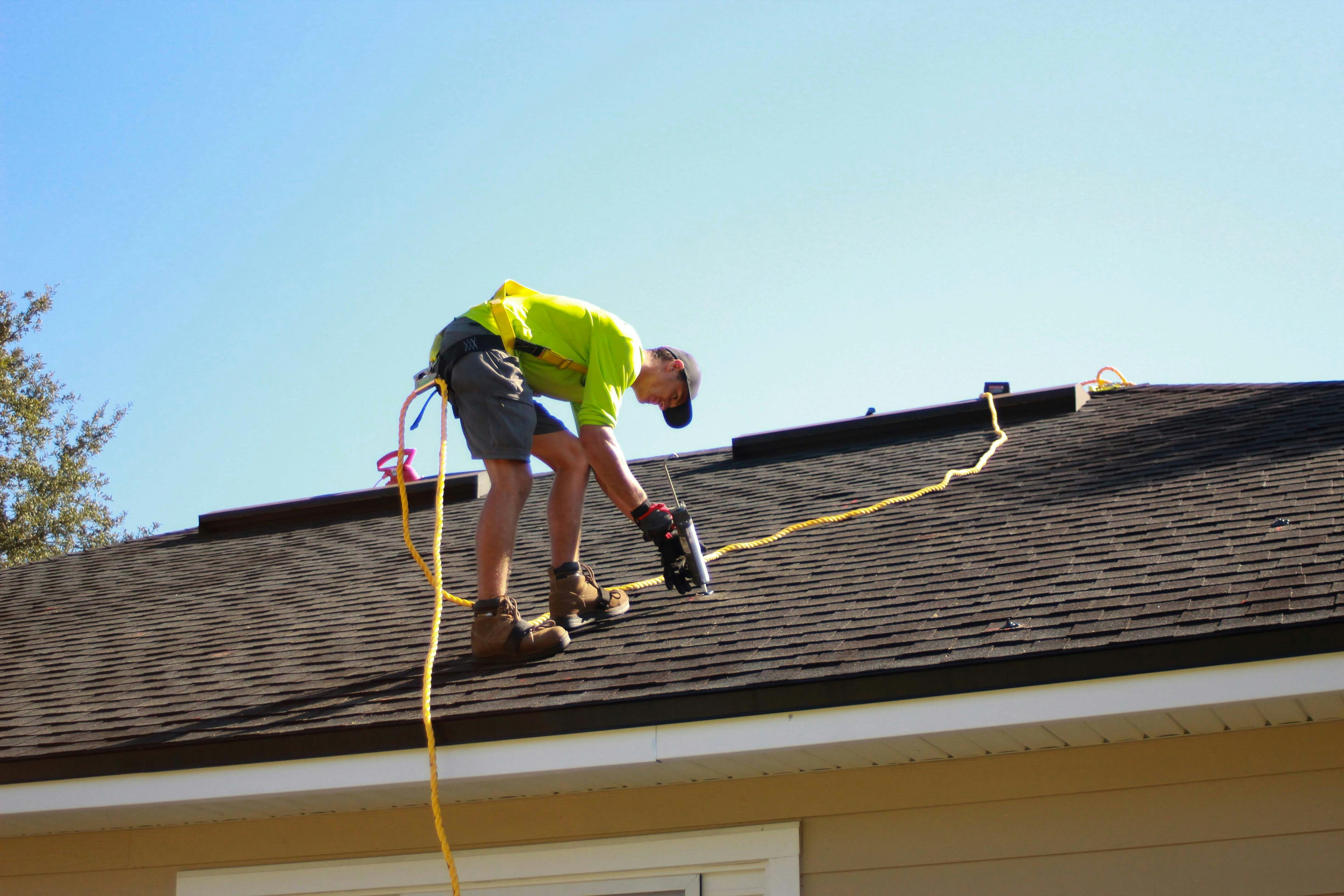
Understanding Roof Inspections: What Homeowners Should Expect
Understanding Roof Inspections: What Homeowners Should Expect
For many homeowners, roof inspections are something that only happen after a leak or major storm. However, regular roof inspections can play an important role in identifying small problems before they become expensive repairs.
As roofing systems age, exposure to weather, heat, moisture, and debris can gradually wear down materials over time. In many cases, damage develops slowly and may not be visible from the ground.
At USA Roofing Savings, we help homeowners learn more about roofing services, understand the inspection process, and explore roofing options available in their area.
This guide explains what roof inspections involve, why they matter, and what homeowners commonly look for when evaluating their roofing systems.
Why Roof Inspections Matter
A roof protects nearly every major component inside a home. Even minor roofing issues can eventually lead to:
Water intrusion
Mold growth
Wood rot
Insulation damage
Ceiling stains
Structural concerns
Routine inspections may help identify problems earlier, potentially reducing repair costs over time.
Many homeowners schedule inspections after:
Severe storms
Hail events
High winds
Hurricane activity
Purchasing a home
Insurance requests
Discovering leaks
Reaching certain roof age milestones
How Often Should Roofs Be Inspected?
Inspection frequency depends on several factors, including:
Roof age
Local weather conditions
Roofing material
Tree coverage
Storm exposure
Many homeowners consider inspections:
Annually
After major storms
Before selling a home
Before purchasing a home
When visible issues appear
Older roofs may benefit from more frequent evaluations.
What Roofing Inspectors Typically Check
Roof inspections generally involve a detailed evaluation of multiple components.
Shingles or Roofing Material
Inspectors may look for:
Missing shingles
Curling or cracking
Granule loss
Storm damage
Loose materials
Impact marks
Different roofing materials age differently depending on climate and installation quality.
Flashing
Flashing helps seal vulnerable areas around:
Chimneys
Skylights
Roof valleys
Plumbing vents
Wall intersections
Damaged flashing is a common source of leaks.
Roof Decking
Underlying roof decking may be evaluated for:
Soft spots
Moisture damage
Rot
Structural concerns
Decking issues may not always be visible externally.
Gutters and Drainage
Inspectors often check:
Gutter condition
Water flow
Debris buildup
Downspout performance
Poor drainage can contribute to roof deterioration over time.
Ventilation
Attic ventilation plays an important role in roofing performance.
Poor ventilation may contribute to:
Excess attic heat
Moisture accumulation
Reduced shingle lifespan
Mold growth
Inspectors may evaluate both intake and exhaust ventilation systems.
Common Problems Found During Roof Inspections
Roof inspections often identify issues homeowners were unaware of.
Minor Leaks
Small leaks can develop gradually and remain unnoticed for long periods.
Storm Damage
Wind and hail can loosen or damage roofing materials even when damage is not visible from the ground.
Aging Materials
Over time, roofing materials naturally deteriorate due to sun exposure and weather cycles.
Improper Installation
Some inspections reveal previous workmanship issues such as:
Improper flashing
Poor ventilation
Incorrect nail placement
Inadequate sealing
Drainage Problems
Standing water or clogged drainage systems may increase long-term wear on roofing systems.
Roof Inspections After Storms
Storm-related inspections are common in many regions of the United States.
After severe weather, homeowners may look for:
Missing shingles
Fallen debris
Water intrusion
Hail impact
Bent flashing
Gutter damage
Even if no immediate leak appears, hidden damage may still exist.
In some cases, insurance companies also require documentation after storm events.
Understanding Hail Damage
Hail damage is not always obvious to homeowners.
Depending on roofing material and hail size, damage may include:
Granule displacement
Surface bruising
Cracks
Exposed underlayment
Weakened shingles
Repeated hail exposure can shorten roof lifespan over time.
Wind Damage and Roofing Systems
Strong winds can create roofing problems by:
Lifting shingles
Breaking seals
Removing materials
Exposing underlayment
Wind damage may worsen gradually if not addressed promptly.
Some roofing materials offer higher wind ratings than others.
Interior Signs of Roofing Problems
Homeowners sometimes first notice roofing issues from inside the home.
Common warning signs include:
Ceiling stains
Peeling paint
Musty odors
Mold growth
Damp insulation
Dripping water
Interior symptoms often indicate that water has already entered the roofing system.
The Role of Attic Inspections
Attic spaces can provide important clues about roofing performance.
Inspectors may look for:
Moisture buildup
Ventilation problems
Mold
Light penetration
Insulation condition
Attic inspections sometimes reveal hidden roofing issues before exterior damage becomes severe.
Roof Lifespan Expectations
Different roofing materials have different expected lifespans.
Asphalt Shingles
Typically last between 15–30 years depending on product quality and climate.
Architectural Shingles
Often designed for longer durability and stronger weather resistance.
Metal Roofing
Can last several decades with proper installation and maintenance.
Tile Roofing
May last 50 years or longer in certain conditions.
Actual lifespan depends heavily on weather exposure and maintenance practices.
Roof Maintenance Between Inspections
Regular maintenance may help homeowners reduce long-term roofing issues.
Clean Gutters Regularly
Blocked gutters can trap water and contribute to roof damage.
Remove Debris
Leaves and branches may retain moisture against roofing materials.
Trim Overhanging Trees
Tree branches can scrape roofing materials during storms and high winds.
Address Small Repairs Quickly
Minor issues may become larger structural problems if ignored.
Questions Homeowners Often Ask About Roof Inspections
Can I Inspect My Own Roof?
Homeowners may visually inspect roofs from the ground, but walking on roofs can present safety risks.
Professional inspections may identify issues that are difficult to see without experience.
How Long Does an Inspection Take?
Inspection length varies depending on:
Roof size
Complexity
Accessibility
Weather conditions
Are Roof Inspections Worth It?
Many homeowners view inspections as preventative maintenance that may help identify issues earlier.
Roofing and Home Insurance
Insurance companies sometimes evaluate roof condition when:
Issuing policies
Renewing coverage
Processing claims
Older roofs or visible damage may affect coverage options in some cases.
Because insurance requirements vary by state and provider, many homeowners monitor roof condition more closely than in previous years.
Selling a Home With an Older Roof
Roof condition often becomes a major topic during home sales.
Buyers may request:
Roof inspections
Repair credits
Replacement negotiations
Documentation of previous work
A well-maintained roof may improve buyer confidence during the sales process.
Why More Homeowners Research Roofing Online
Today’s homeowners have access to more roofing information than ever before.
Many people now compare:
Roofing materials
Inspection services
Contractor reviews
Warranty options
Roofing estimates
Financing availability
Online comparison tools and roofing lead generation platforms have become increasingly common as homeowners seek more transparency before making decisions.
Understanding Repair vs. Replacement Recommendations
After inspections, homeowners may receive recommendations ranging from minor repairs to full roof replacement.
Factors influencing recommendations may include:
Roof age
Damage severity
Frequency of leaks
Structural condition
Cost effectiveness of repairs
Every roofing situation is different, which is why many homeowners compare multiple opinions before moving forward.
Final Thoughts
Roof inspections are an important part of maintaining a home and identifying potential roofing problems before they become more serious.
Whether caused by storms, aging materials, ventilation issues, or normal wear and tear, roofing problems can gradually develop over time. Regular inspections may help homeowners better understand the condition of their roofing system and make more informed maintenance decisions.
At USA Roofing Savings, we help homeowners learn more about roofing services, explore roofing options, and connect with roofing professionals serving their area.
From preventative maintenance to storm damage concerns, understanding your roof condition can be an important step in protecting your home long term.
