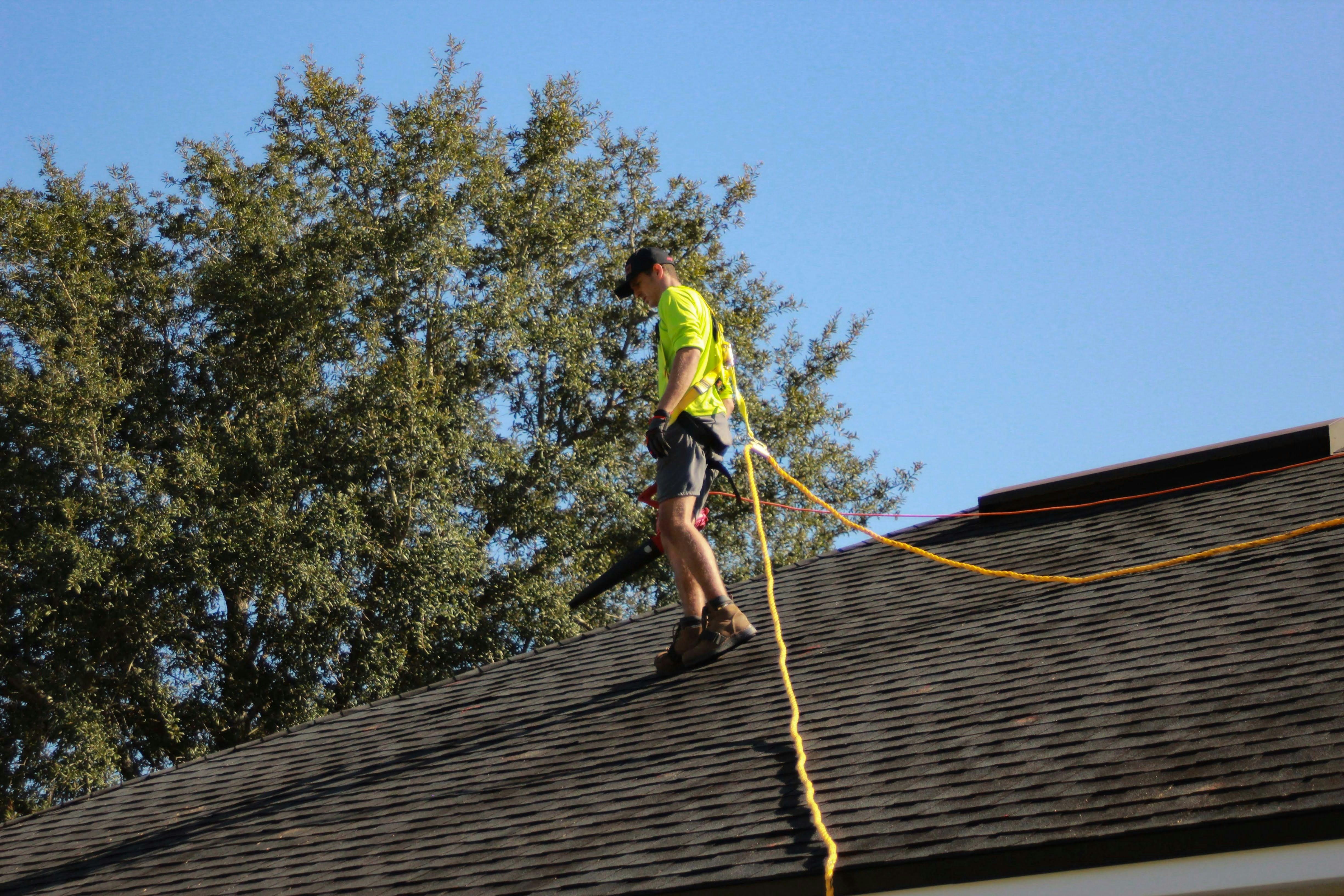
How to Prepare Your Home for Roof Replacement: What Homeowners Should Know
How to Prepare Your Home for Roof Replacement: What Homeowners Should Know
Replacing a roof is one of the largest home improvement projects many homeowners will ever take on. While most people focus on choosing materials or comparing estimates, many overlook the practical steps involved in preparing for the actual installation process.
A roof replacement can temporarily affect daily routines, parking access, noise levels, outdoor spaces, and even the interior of a home. Understanding what to expect ahead of time may help homeowners reduce stress and avoid unnecessary surprises during the project.
At USA Roofing Savings, we help homeowners learn more about roofing projects and explore available roofing options in their area.
This guide covers common preparation tips, installation expectations, and important considerations before a roofing project begins.
Why Roof Preparation Matters
Roof replacement projects involve more than simply installing new shingles.
During a typical roofing project, crews may:
Remove old roofing materials
Deliver heavy materials
Use ladders and dumpsters
Walk extensively across the roof
Operate loud equipment
Work around landscaping and driveways
Preparing ahead of time may help homeowners:
Protect belongings
Improve safety
Minimize disruptions
Prevent accidental damage
Make installation smoother for contractors
Signs It May Be Time to Replace a Roof
Homeowners often begin researching roof replacement after noticing issues such as:
Frequent leaks
Missing shingles
Water stains
Storm damage
Sagging roof areas
Excessive granule loss
High roof age
Repeated repair costs
In some cases, insurance inspections or home sales also prompt roof evaluations.
Many homeowners choose to compare multiple roofing estimates before moving forward with a project.
Understanding the Roof Replacement Process
While every project is different, most residential roof replacements follow a similar sequence.
Initial Inspection
Roofing professionals typically inspect:
Shingles
Flashing
Roof decking
Ventilation systems
Gutters
Chimneys and penetrations
Existing damage
This inspection helps determine the scope of work.
Material Selection
Homeowners may choose between several roofing materials, including:
Asphalt shingles
Architectural shingles
Metal roofing
Tile roofing
Synthetic roofing systems
Material choice often affects:
Cost
Appearance
Lifespan
Energy efficiency
Weather resistance
Scheduling and Permits
Depending on location, permits may be required before installation begins.
Project timelines can also vary due to:
Weather
Material availability
Crew schedules
Roof complexity
Tear-Off and Installation
Most replacement projects involve removing old roofing materials before installing new systems.
Crews may also replace damaged decking or improve ventilation during this stage.
Cleanup and Final Inspection
After installation, contractors typically perform cleanup and inspect the completed roof.
Many homeowners also walk the property afterward to ensure debris has been removed properly.
How to Prepare the Outside of Your Home
Exterior preparation is one of the most important parts of getting ready for roofing work.
Move Vehicles Away From the Home
Roofing crews often need access to driveways and nearby areas for:
Material delivery
Dumpsters
Equipment staging
Debris removal
Parking vehicles farther away may help avoid accidental damage from falling debris.
Protect Patio Furniture and Outdoor Items
Homeowners may want to move or cover:
Patio furniture
Grills
Potted plants
Decorations
Garden equipment
Roofing debris can spread farther than expected during tear-off work.
Trim Trees Near the Roof
Overhanging branches may interfere with roofing crews or create safety concerns.
Tree trimming may also improve roof accessibility.
Mark Sprinkler Systems or Landscaping Features
If sprinkler heads, lighting systems, or delicate landscaping features are located near the home, marking them may help reduce accidental damage.
Preparing the Inside of Your Home
Roof replacement primarily occurs outside, but vibrations and noise can still affect the interior.
Remove Fragile Wall Decorations
Hammering and roof movement can create vibrations throughout the home.
Some homeowners choose to temporarily remove:
Mirrors
Framed artwork
Shelving decorations
Hanging items
Protect Attic Belongings
Dust and debris may enter attic spaces during tear-off work.
Covering stored belongings with sheets or tarps may help protect items.
Expect Noise During Installation
Roof replacement can be loud.
Common sounds may include:
Hammering
Nail guns
Material movement
Crew activity
Homeowners working remotely may want to plan accordingly during installation days.
Preparing Pets for Roofing Projects
Roofing work can be stressful for pets due to unfamiliar noise and activity.
Some homeowners choose to:
Keep pets indoors in quieter rooms
Use daycare or boarding during installation
Schedule walks away from active work zones
Inform contractors about pets beforehand
Animals sensitive to noise may become anxious during roofing work.
Roof Ventilation and Energy Efficiency
Ventilation is an important part of many roofing systems.
Proper attic ventilation may help:
Reduce heat buildup
Improve HVAC efficiency
Prevent moisture accumulation
Extend roof lifespan
Homeowners replacing older roofs sometimes use the opportunity to improve ventilation systems as part of the project.
Questions Homeowners Often Ask Before Roof Installation
How Long Does Roof Replacement Take?
Many residential roofing projects are completed within one to several days, depending on:
Roof size
Weather conditions
Material type
Complexity
Larger or more complex roofs may require additional time.
Will My Landscaping Be Protected?
Roofing companies often use tarps and protective barriers, but homeowners may still want to discuss landscaping concerns beforehand.
Can Roofs Be Replaced During Winter?
In some climates, roofing projects continue year-round depending on weather conditions and material requirements.
Should Gutters Be Replaced Too?
Some homeowners replace gutters during roofing projects, especially if gutters are older or damaged.
Common Roofing Materials Explained
Asphalt Shingles
The most common residential roofing material in the United States.
Known for:
Affordability
Wide style selection
Straightforward installation
Architectural Shingles
A thicker and more dimensional version of standard asphalt shingles.
Often chosen for:
Enhanced durability
Improved appearance
Better wind resistance
Metal Roofing
Metal roofing has grown in popularity due to:
Long lifespan
Energy efficiency
Modern appearance
Weather durability
Tile Roofing
Tile roofs are common in certain architectural styles and climates.
Advantages include:
Longevity
Fire resistance
Distinct appearance
Understanding Roofing Costs
Roof pricing varies significantly depending on:
Roof size
Pitch and complexity
Material type
Geographic location
Labor costs
Existing roof condition
Additional factors may include:
Decking replacement
Ventilation upgrades
Permit requirements
Waste disposal
Flashing repairs
Because estimates can vary between contractors, many homeowners choose to compare multiple quotes before moving forward.
The Importance of Contractor Research
Homeowners often research roofing contractors carefully before making a decision.
Common considerations include:
Licensing
Insurance
Online reviews
Warranty offerings
Years in business
Local reputation
Reading reviews and asking detailed questions may help homeowners better understand what to expect.
Storm Damage and Roof Inspections
Storms remain one of the leading causes of roof damage nationwide.
After major weather events, homeowners sometimes schedule inspections to identify:
Hail impact
Wind damage
Missing shingles
Flashing issues
Hidden leaks
Some damage may not be visible from the ground.
Roofing Safety Considerations
Roof replacement involves physical labor and elevated work environments.
Homeowners should generally avoid entering active work zones during installation.
Children and pets may also need supervision around equipment and debris areas.
What Happens After Installation?
After the roof is completed, homeowners may receive:
Warranty documentation
Cleanup confirmation
Final inspection information
Maintenance recommendations
Some contractors may also recommend periodic inspections moving forward.
Roof Maintenance Tips After Replacement
Proper maintenance may help extend the life of a roofing system.
Keep Gutters Clean
Proper drainage helps reduce water-related issues.
Inspect After Storms
Checking for visible damage after severe weather may help catch problems early.
Trim Nearby Trees
Reducing branch contact may help prevent roof wear.
Monitor Attic Ventilation
Ventilation problems can affect roofing performance over time.
Why More Homeowners Compare Roofing Options Online
Today’s homeowners often spend significant time researching roofing online before scheduling inspections.
Many people compare:
Roofing materials
Contractor reviews
Warranty information
Financing options
Installation timelines
Local roofing companies
Online comparison tools and lead generation platforms have become more common because homeowners increasingly want transparency and multiple options before making a decision.
Final Thoughts
A roof replacement is a major investment that affects both the safety and value of a home. Understanding the process ahead of time may help homeowners feel more prepared and confident before installation begins.
From protecting outdoor belongings to researching roofing materials and comparing estimates, preparation can play an important role in creating a smoother roofing experience.
At USA Roofing Savings, we help homeowners learn more about roofing projects, explore roofing options, and connect with roofing professionals serving their local area.
Whether you are dealing with storm damage, an aging roof, or planning a future replacement, taking time to research your options can be a smart first step.
